The United States is considering a new round of sanctions that could include visa restrictions on Nigerians found culpable of religious persecution, marking a heightened response to alleged violence against Christians in AfricaâÂÂs most populous nation.
US Secretary of State Marco Rubio announced the development on Wednesday through a statement posted on his X handle. Rubio said the decision aligns with WashingtonâÂÂs commitment to addressing global violations of religious freedom and responding to recent reports of targeted attacks on Christian communities in Nigeria.
âÂÂThe United States is taking decisive action in response to the atrocities and violence against Christians in Nigeria and around the world,â he wrote. He added that the State Department would impose visa restrictions on individuals who knowingly direct, authorize, fund or support violations of religious freedom. The policy will also affect those who participate in such acts, as well as immediate family members when deemed appropriate.
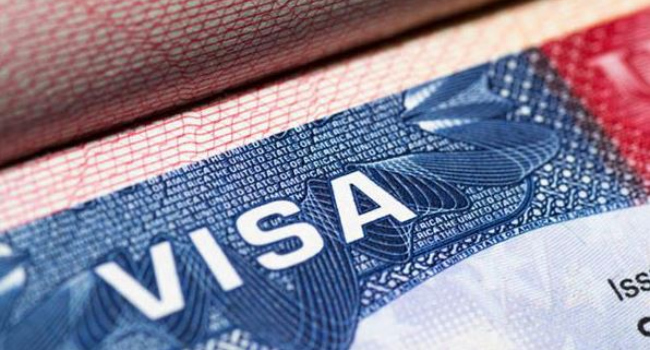
The visa restriction framework is enabled under Section 212(a)(3)(C) of the US Immigration and Nationality Act, granting the State Department authority to deny visas to individuals implicated in religious persecution. Rubio noted that the measure reflects President Donald TrumpâÂÂs stance that the United States âÂÂcannot stand by while such atrocities are happening in Nigeria, and numerous other countries.âÂÂ
This latest move comes against the backdrop of rising insecurity in Nigeria and growing concerns within US political institutions. On Tuesday, members of the US Congress held a briefing to examine TrumpâÂÂs October directive that reclassified Nigeria as a Country of Particular Concern (CPC), the second time the administration has issued such a designation since 2020.
Following the renewed CPC designation, Trump threatened potential military action in Nigeria in response to what he described as widespread killings of Christians. The US House of Representatives held its first official briefing on the issue last month, condemning the escalating violence and urging Nigerian authorities to implement more robust security measures.
In reaction to the mounting international pressure, the Nigerian government has introduced a number of initiatives aimed at strengthening national security. These include the declaration of a national security emergency and the accelerated recruitment of additional security personnel. The administration of President Bola Tinubu has rejected claims that Christians are being systematically targeted, insisting that the government is committed to protecting all citizens regardless of their religious affiliation.
As part of the effort to bolster collaboration, President Tinubu recently appointed NigeriaâÂÂs representatives to the USâÂÂNigeria Joint Working Group, a body tasked with addressing WashingtonâÂÂs escalating concerns over security challenges in the country.
The proposed US sanctions signal a renewed diplomatic push, underscoring growing international scrutiny of NigeriaâÂÂs security landscape, particularly as religious tensions continue to attract global attention.
News
US Weighs Visa Sanctions on Nigerians Accused of Religious Persecution Amid Rising Global Concerns
The United States is considering a new round of sanctions that could include visa restrictions on Nigerians found culpable of religious persecution, marking a heightened response to alleged violence against Christians...